Loading...
AI Developer Tools
Pipper.
Unified Multi-Agent Harness & Desktop Runtime for AI-Native Engineering.
3 IntegratedAgent Runtimes
UnifiedWorkspace State
All-in-OneSubscriptions
ParallelCode Verification
01 / Overview
Overview
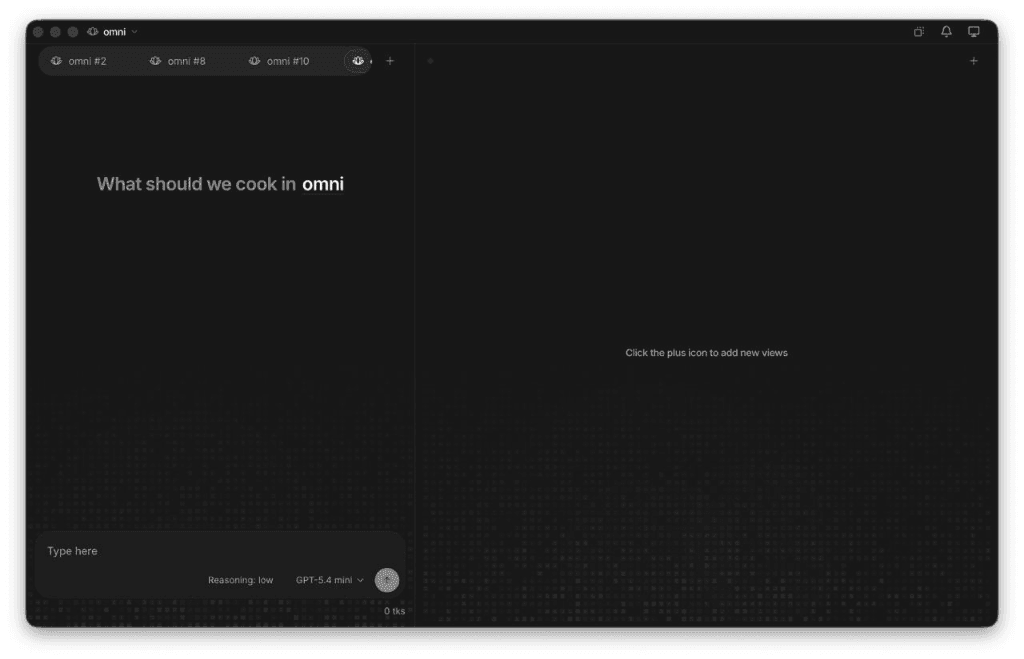
Pipper is a local developer harness and desktop interface (Omni) that centralizes agent-based coding runtimes. By launching Codex, Claude-Code, and OpenCode subprocesses concurrently within a single sandboxed session, the runtime shares workspace context, synchronizes credential access, and coordinates parallel agent operations. Developers can instruct one agent to implement feature blocks, while other runtimes actively audit outputs, run syntax compilers, and perform local check routines before safe write-backs to the project file system. Powered by Electron and Node, Pipper bridges the gap between fragmented command-line agents and unified IDE workflows.
02 / Architecture Specs
Technical Specifications
| Component | Technology / Tool | Description |
|---|---|---|
| Desktop Runtime | Electron, HTML5, Vanilla CSS | Provides a lightweight desktop container that integrates local terminal shells and workspaces. |
| Orchestration Client | Node.js v20+, TypeScript | Runs parallel subprocess instances of Codex, Claude-Code, and OpenCode, managing standard streams. |
| Workspace Sandboxing | Node fs & OS Security Boundaries | Enforces strict read/write boundaries for agent file access, preventing modification of external directories. |
| Credential Gateway | pipper.dev API Service | Centralized authorization service validating model subscriptions and session tokens. |
| Cross-Verification Engine | Llama 3 & Claude Sonnet | Compares agent-generated code drafts, runs automated syntax parsers, and merges refined blocks. |
03 / Platform Modules
Core Features
01
Subscription Hub & Authentication
- Single-Sign-On Access: Authenticate your Codex, Claude-Code, and OpenCode enterprise subscriptions in a unified login session.
- Secure Token Storage: Uses standard keychain encryption to securely store API credentials locally without exposing them to cloud relays.
02
Side-by-Side Agent Orchestration
- Concurrent Runtimes: Runs multiple terminal-based AI agents concurrently to perform separate project development tasks.
- Interactive Terminal Panel: Premium tabbed terminal grid allowing you to view running stdout/stderr of each agent live.
03
Parallel Agent Code Verification
- Double-Agent Auditing: Configures one agent runtime to audit and review the code modifications of another agent prior to saving.
- Syntax Checkers & Compilers: Auto-executes local build scripts and syntax check tools to verify correctness of generated codes.
04
Safe Local Workspace Harness
- Filesystem Safety Boundaries: Enforces sandboxing controls where agents can only access files inside the approved project root folder.
- Smart Workspace Diffing: Generates git-compatible diff patches, allowing developers to review changes before committing them.
04 / Systems Flow
Architecture & System Flow
Workspace Orchestration Loop
Module 01
Omni Desktop App
Minimalist terminal container launching agent sub-processes, embedding shared credentials.
Module 02
Credential Vault
Locally securely binds model authorization tokens for Codex, Claude-Code, and OpenCode interfaces.
Module 03
Security Shield
Monitors agent syscalls, preventing unauthorized directory traversals or outbound API calls.
Module 04
AST Merge Tool
Parses abstract syntax trees from different agents to resolve git conflict styles and verify structure.