Cursor Launches Origin: Why Cursor Is Moving Into GitHub’s Territory
Cursor Launches Origin: Why Cursor Is Moving Into GitHub’s Territory
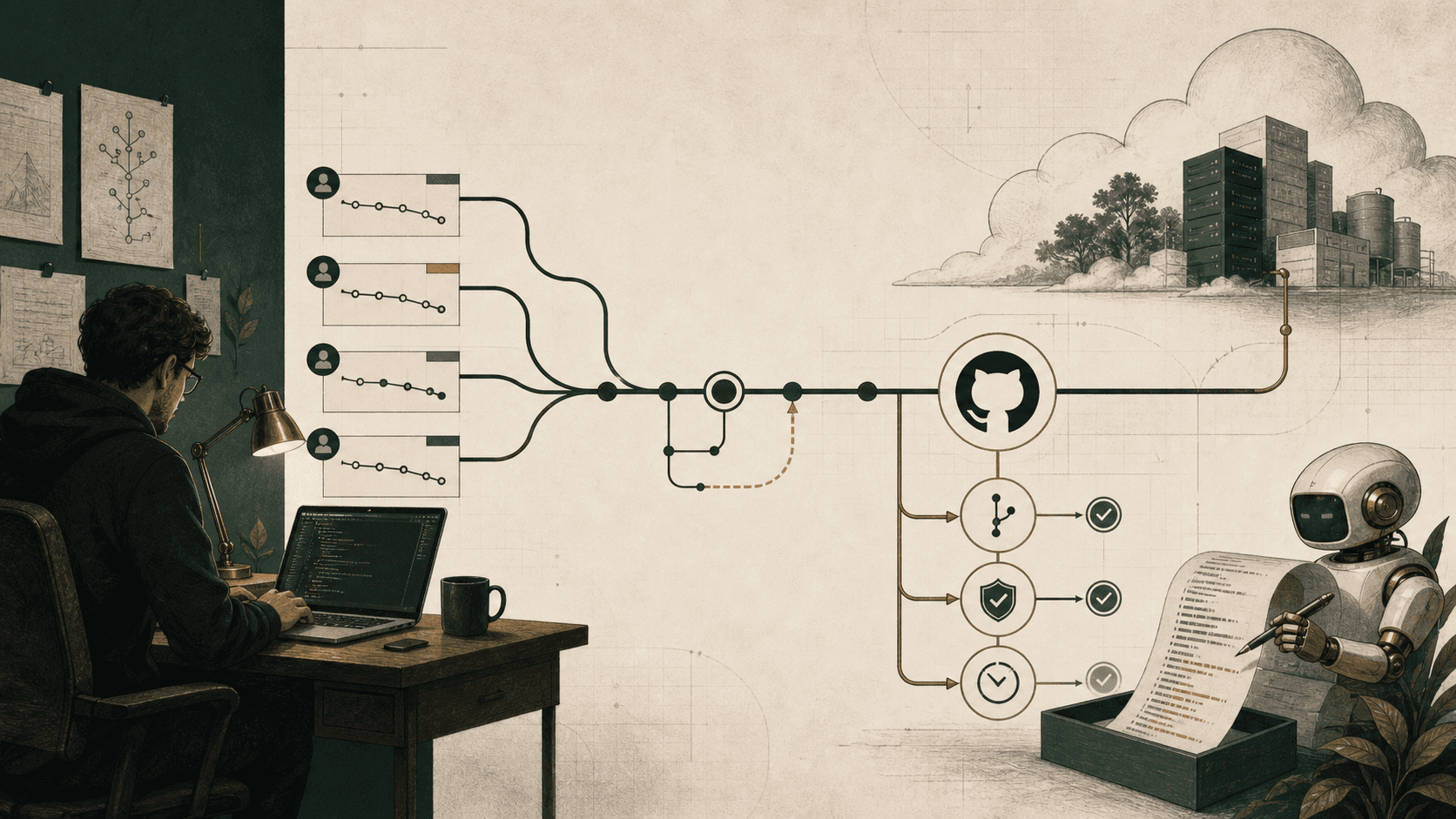
Cursor has spent the last few years changing how developers write code with AI. Now it wants to change where that software lives. On August 17, 2026, Cursor launched Origin, bringing code hosting, pull requests, GitHub sync, and AI tools into the same workspace.
On this page
What Cursor Is Adding With Origin
Cursor has spent the last few years changing how developers write software with AI. Now it wants to change where that software lives. On August 17, 2026, Cursor officially launched Origin, a code-hosting service built directly into Cursor.
In its early beta, Origin is available across Cursor's paid tiers. It offers repository hosting, code browsing, code search, pull requests, automated checks, and two-way GitHub sync.
“Origin is designed so people and AI tools can work from the same repository.”
How Cursor and GitHub Worked Before Origin
Developers have traditionally split their work between two places:
- The Editor: Where code is written, edited, and tested on a developer's machine.
- The Code Host (GitHub / GitLab): Where code is stored, reviewed, checked, and merged.
This separation worked when people wrote and reviewed nearly every line of code themselves. As AI tools began changing multiple files and running commands, moving between the editor and the code host started to slow the work down.
Cursor Brings the Repository Into Its Workspace
When an AI tool handles a substantial task—such as changing an authentication service or updating a database schema—it needs to understand the codebase, run tests, and create a feature branch.
When the repository lives in another service, every task starts with copying the code, authenticating, and waiting for systems to exchange updates. Putting the repository inside Cursor's cloud environment lets the agent work with the code and branches directly.
How Origin Syncs With GitHub
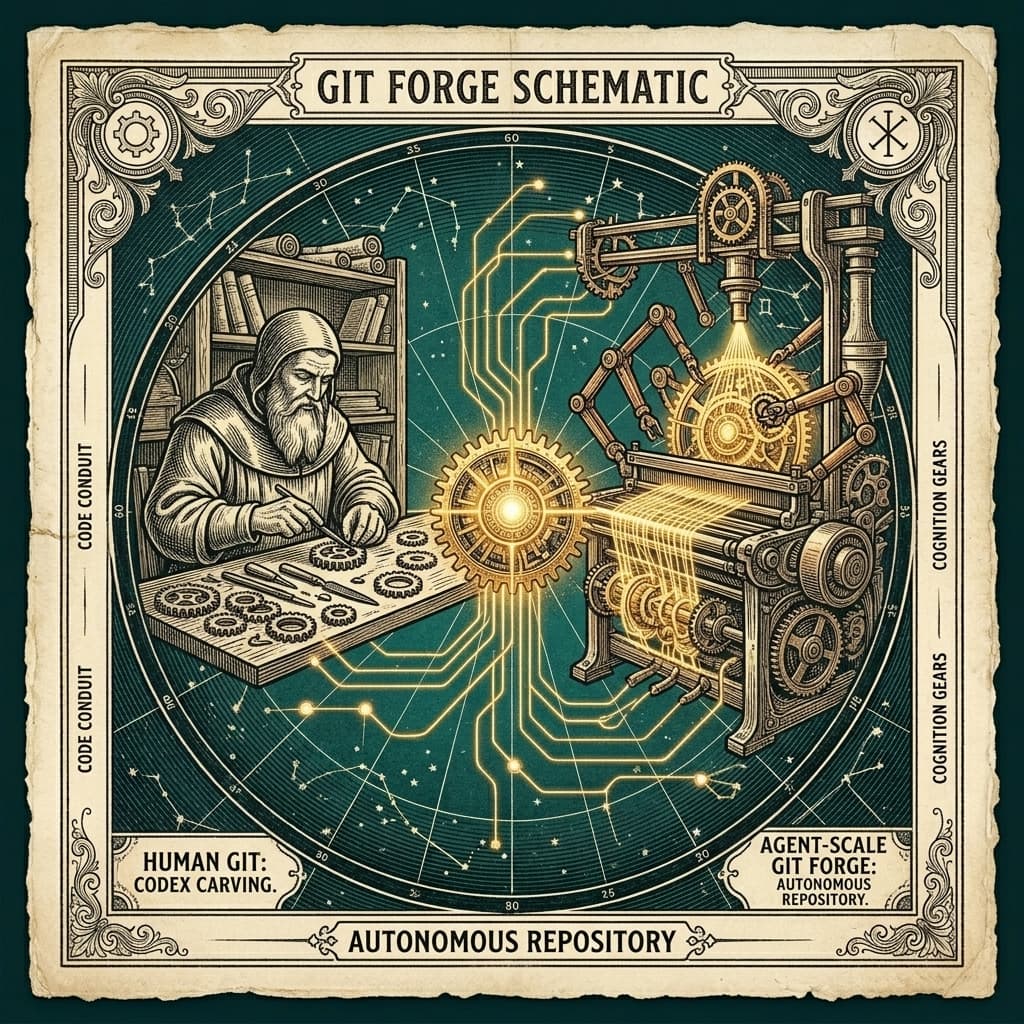
Rather than forcing developers and companies into a risky, all-or-nothing migration, Cursor introduced two-way GitHub sync.
Engineering teams can connect their GitHub accounts, choose specific repositories, and keep them synced with Origin. GitHub can remain the main copy of the code, while Cursor keeps its workspaces updated. Commits, branch pushes, and pull request reviews sync between both platforms.
Developers can therefore try Origin without asking their security teams to move everything away from GitHub at once.
Why Pull Requests Still Matter When AI Writes Code
As AI coding tools improve, developers spend less time typing routine code and more time setting requirements, checking how the pieces fit together, and validating the result.
In Cursor Origin, the pull request is where a developer reviews what an AI tool changed before it reaches the main codebase. The tool can attach test results and preview links through partners like Vercel and Depot. The developer reviews the changes, leaves comments, and approves the merge.
Why Cursor's Move Matters for Developer Tools
Cursor's expansion into code hosting is part of a broader shift: the editor, code repository, development environment, and AI tools are moving closer together.
GitHub continues to add AI features to an established code-hosting platform. Cursor is starting with the editor and extending outward into repositories and collaboration. The important question is which product can make the path from a developer's idea to tested, reviewed, and deployed code easiest to manage.
Understanding Cursor Origin
What is Cursor Origin and when was it launched?
Cursor Origin was launched on August 17, 2026 as a code-hosting service built into Cursor. It provides repository hosting, code browsing, pull requests, connections to external testing and deployment services, and two-way GitHub sync.
Is Cursor Origin trying to replace GitHub immediately?
No. Cursor Origin supports two-way GitHub sync, allowing developers to import existing GitHub repositories into Cursor while keeping GitHub as the main copy of the code. Pushes, commits, and pull-request comments sync between both platforms without requiring a forced migration.
Why did Cursor build its own code hosting platform instead of relying on GitHub?
As AI tools move beyond autocomplete and start copying repositories, changing many files, running checks, and creating branches, keeping the repository close to the tool makes those tasks faster and easier to manage. It also gives people a clear place to review the work.
How do pull requests work when AI changes code in Origin?
In Cursor Origin, AI tools can work through a coding task and open pull requests with test results and preview links. The developer then reviews the changes, leaves comments, and decides whether to merge them.
More from GrowxLabs on how software gets built
Browse practical articles about AI coding tools, developer workflows, and software delivery.
Clear analysis of AI coding tools, developer workflows, and software delivery.
Short updates on the tools and decisions shaping how software gets built.